Bromley Council van permit rules for Biggin Hill moves: what you need to know before moving day
If you are moving in Biggin Hill, the parking question can become the real headache. Not the boxes, not the wardrobe that somehow grew a second life in the loft - the van. Bromley Council van permit rules for Biggin Hill moves matter because one wrong parking assumption can slow the whole day down, add stress, and in the worst case lead to a ticket or a blocked road. The good news? With a bit of planning, the process is manageable, and often much simpler than people expect.
This guide breaks down how van permits, loading bays, suspensions, and parking restrictions usually affect moves in Biggin Hill. You will also find practical steps, common mistakes to avoid, and a simple checklist you can use when planning your move. If you are trying to keep the day smooth, legal, and low-drama, you are in the right place.
- Why Bromley Council van permit rules for Biggin Hill moves matter
- How the permit process works
- Key benefits and practical advantages
- Who needs this and when it makes sense
- Step-by-step guidance
- Expert tips for better results
- Common mistakes to avoid
- Tools, resources and recommendations
- Law, compliance, standards and best practice
- Options, methods or comparison table
- Case study or real-world example
- Practical checklist
- Frequently asked questions
Why Bromley Council van permit rules for Biggin Hill moves Matters
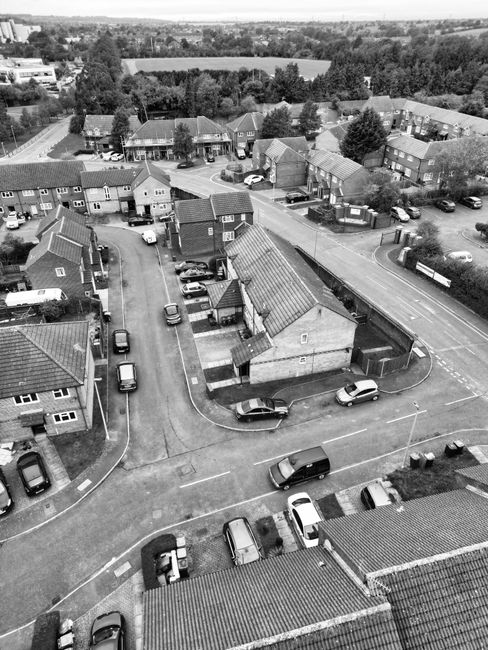
Biggin Hill has its own moving-day quirks. Some streets are narrow, some have tighter parking than you would like, and some routes are simply not built for a large van to sit there all morning. That is why Bromley Council van permit rules for Biggin Hill moves are not just administrative fine print. They affect whether your removal vehicle can stop where it needs to stop, how long it can stay there, and whether the move can happen without drama.
Think about a typical move on a weekday morning. The van arrives early, the kettle is still cold, and the front room already looks like a packing warehouse. If parking is uncertain, the crew spends the first 20 minutes circling the area, shifting furniture becomes delayed, and everyone feels the pressure. A permit or a valid parking arrangement can prevent that from happening.
It also helps protect you from the boring-but-expensive side of moving: penalties, complaints from neighbours, or the awkward moment where the driver has to move the van midway through loading. To be fair, nobody wants to carry a sofa twice.
For moves in and around Biggin Hill, it is also wise to think about the wider local setting. Routes near main roads, residential turns, and airport-adjacent access areas can all create parking pinch points. That is why many movers spend as much time planning the outside of the property as they do wrapping the furniture inside. If you want a broader local planning view, the Biggin Hill main road moving guide for permits and parking is a useful companion read.
How Bromley Council van permit rules for Biggin Hill moves Works
In plain English, the council expects vehicles to park legally and safely. If your removal van needs to wait outside a property, load on a restricted street, or use controlled parking space, you may need a permission-based solution rather than just hoping for the best. The exact arrangement depends on the location, the time of day, and the type of restriction in place.
Here is the basic idea:
- Some streets are unrestricted, so a van can stop briefly if it does not block traffic or break general road rules.
- Some streets have controlled parking restrictions, where stopping may be limited or prohibited.
- Some situations need a council permit or parking dispensation, especially for loading on busier roads or where a formal exemption is needed.
- Temporary suspension or access planning may be needed when space is tight or when the van must stay close to the property for a long load.
A permit does not magically create space. It simply gives the move a legal and organised framework. That sounds obvious, but it is the bit many people miss. A permit helps, yes - but only if the van still has a physically workable place to stand.
In practical terms, the moving day question is usually: can the removal vehicle park close enough to the front door, safely, and for long enough to load? If the answer is no, then you need to plan an alternative. That could mean a smaller vehicle, a second run, a morning slot with lighter traffic, or a properly arranged permission.
For flats and tighter access routes, the issue becomes even more noticeable. If your move involves stairs, shared entrances, or a longer carry from road to doorway, planning matters even more. You may find it helpful to read about flat removals in Biggin Hill and how access affects the day.
Key Benefits and Practical Advantages
There are real-world benefits to getting the parking side right, and they go beyond avoiding a fine.
- Less stress on moving day: The van arrives, parks correctly, and work starts. Simple, but very valuable.
- Faster loading and unloading: Fewer awkward pauses mean less time carrying heavy items.
- Reduced risk of damage: Shorter carries usually mean less chance of scuffed walls, broken handles, or dropped boxes.
- Better neighbour relations: Nobody enjoys a blocked driveway or a van parked across someone's bin access.
- More predictable timings: When parking is planned, the whole day feels more under control.
There is another quiet benefit people underestimate: mental breathing room. When the vehicle, access, and paperwork are sorted, you can focus on the actual move. That matters. A move already asks a lot of you emotionally, and cluttered logistics do not help.
And if your move includes heavier or awkward furniture, the right parking arrangement is not a luxury. It is part of safe handling. Carrying a wardrobe across a long driveway or around parked cars is not a clever shortcut; it is just extra strain. If you want a better sense of the handling side, these solo heavy lifting tips are a useful reminder of why good access is such a big deal.
Who This Is For and When It Makes Sense
This topic is relevant to almost anyone moving with a van in Biggin Hill, but some people need it more than others.
- Home movers who need a removal van parked near a front door or driveway.
- Flat movers where shared access, narrow streets, or timed parking restrictions are common.
- Students moving a lighter load but still needing a legal stopping point for the vehicle.
- Office movers who may need early access and a reliable load-in point.
- Anyone moving bulky items like sofas, white goods, or beds that take time to carry and load.
- People booking same-day help, where planning time is tight and parking mistakes are easy to make.
It also makes sense if you know the street is busy, the road is narrow, or there is only a short window for loading. In those cases, the permit question is not optional. It is one of the first things to settle.
Truth be told, if you are moving on a quiet road with a driveway and no restrictions, you may not need anything formal. But that is exactly why checking early matters. It lets you avoid paying for permission you do not need, while also not assuming you can park where you cannot.
For a more complete overview of the types of moves that often involve parking and access decisions, take a look at the services overview and the dedicated pages for house removals in Biggin Hill and man with a van Biggin Hill.
Step-by-Step Guidance
If you want the moving day to feel under control, work through the parking question early. Here is a practical sequence that usually helps.
- Check your exact address and road type. Corner plots, cul-de-sacs, and main roads can all behave differently. Do not assume the whole neighbourhood works the same way.
- Look at the timing of your move. A restriction that applies during the morning may not apply later in the day. Moving at 10am and moving at 3pm can be very different.
- Assess vehicle size. A small van, medium van, and larger removal vehicle may face different access realities. Bigger is not always better if the street is tight.
- Identify whether a formal permit or dispensation is needed. If parking is controlled, do not leave this to guesswork.
- Decide where the van can safely stop. Safe loading matters as much as legality. A permit is no use if the van is half-blocking a bend.
- Coordinate with your movers. Let them know about restrictions, delivery windows, gates, flight of stairs, or residents' permits.
- Prepare the property for quick loading. Boxes by the door, furniture dismantled if needed, and fragile items packed properly all help reduce the time the van needs to stay put.
- Reconfirm the plan the day before. A short check can save a lot of friction. Rain, roadworks, or last-minute street activity can change things fast.
If you are packing at the same time, do not underestimate the value of structured preparation. The packing guide for a smoother move and the decluttering journey both support the permit side because less clutter means less time with the van on the street.
A small but useful habit: take a quick photo of the road outside your property the day before. Not for show. Just for reference. If there is a van, skip bay, or access issue on the day, you will know what you were dealing with at 8pm the night before, not trying to remember it while carrying a mattress.
Expert Tips for Better Results
After enough moves, you start noticing the small things that prevent big problems. Here are the tips that tend to save the most time.
- Plan for a slightly wider loading zone than you think you need. People often underestimate how much room open doors, trolleys, and moving blankets take.
- Keep the route clear from van to doorway. A legal parking spot still becomes a problem if bins, bikes, or garden furniture block the path.
- Use the smallest practical vehicle. Especially on tighter Biggin Hill streets, a more compact van can be the smarter choice.
- Communicate with neighbours if space is sensitive. A polite heads-up goes a long way. It sounds old-fashioned, but it works.
- Build a buffer into the timetable. Parking and access delays happen. The move feels far calmer if there is a cushion.
- Match the load to the route. Heavy items like a piano, sofa, or large freezer may need a shorter carry and more protective handling.
If you are moving something unusually awkward, get specialist support rather than trying to improvise. It is not just about strength - it is about angles, balance, and not dinging the banister on the way through. For example, piano removals in Biggin Hill usually need more careful planning than a standard box move.
One more practical thought. If your move day is close to a weekend or a busy period, parking pressure tends to feel worse. You notice every car that appears, every delivery van that stops, every little hold-up. So give yourself breathing room. It is not overplanning. It is just sensible.
Common Mistakes to Avoid
Most moving day parking problems come from a few repeat mistakes. The good news is they are very avoidable once you know them.
- Leaving permits until the last minute. The busiest bit of moving week is always the worst time to be chasing admin.
- Assuming "just five minutes" is harmless. On a restricted street, five minutes can still cause trouble.
- Not checking the exact road outside the property. Two houses down may be fine. Your stretch of road may not be.
- Choosing a van that is too large for the street. It looks efficient on paper and messy in real life.
- Forgetting loading time. People think only about arrival, not how long boxes, sofas, and appliances actually take to move.
- Failing to brief the movers. If your team does not know about the access layout, they are working blind for the first part of the job.
The sneakiest mistake is probably this one: assuming parking is someone else's problem. In practice, it affects the whole move. It affects timing, safety, neighbour goodwill, and the number of times you have to say, "Hang on, we just need to move the van again." Not ideal.
Another common slip is overloading the van-side setup with too much loose packing. If the team has to sort fragile items at the kerb, the clock runs on and the stress rises. That is why organisation before the move matters so much, and why a clean finish like the advice in this moving-out cleanup guide can make access easier too.
Tools, Resources and Recommendations
You do not need fancy kit to get this right, but a few practical tools make the process calmer.
- House plan or rough sketch: Helpful for showing where the van can stop and where items need to go.
- Phone camera: Useful for recording parking conditions, access routes, and any temporary obstructions.
- Tape measure: Handy if you are deciding whether a van will fit close enough to the entrance.
- Labels and markers: They speed up loading so the van is not sitting longer than necessary.
- Furniture blankets and straps: Especially important if the carry is short but the vehicle space is tight.
As for recommendations, the best one is simple: make access part of the quote conversation. A transparent mover will usually want to know about stairs, parking, street width, lifts, and time restrictions before the day. That is not them being fussy. It is them trying to prevent hassle later. The page on transparent moving quotes in Biggin Hill is worth reading if you want to understand that side better.
If you are comparing moving support, you may also want to browse removal services in Biggin Hill and the broader removals Biggin Hill page to see how access-aware planning fits into the overall move.
Law, Compliance, Standards, or Best Practice
This is where careful wording matters. Parking and loading rules can vary by road, time, and local restriction type, so it is always sensible to verify the exact conditions for your move rather than relying on a general rule of thumb. In the UK, moving vehicles must still comply with road traffic laws, local parking restrictions, and any temporary conditions attached to permits, dispensations, or suspensions.
Best practice usually looks like this:
- Do not block access for emergency vehicles, driveways, or essential routes.
- Observe time limits and stay within any permit conditions.
- Use the right vehicle for the street so you are not forcing a parking solution that does not suit the location.
- Keep the loading area safe for pedestrians, children, and other road users.
- Communicate clearly with your mover if the parking situation changes.
If your move involves a managed block, shared residential parking, or a street with a residents' scheme, extra care is sensible. The rule in practice is usually straightforward: if the van cannot stop legally and safely without affecting others, a more formal arrangement is needed.
There is also a quality-and-safety angle. A professional mover should work in a way that reduces risk, protects property, and respects access rules. If safety is a priority for you - and it should be - the insurance and safety information and the health and safety policy are worth a look.
Options, Methods, or Comparison Table
Not every move needs the same approach. Here is a simple comparison to help you decide what fits best.
| Approach | Best for | Pros | Watch-outs |
|---|---|---|---|
| Unrestricted roadside loading | Quiet streets, short moves, easy access | Fast, simple, usually no extra admin | Only works where parking is genuinely allowed and safe |
| Parking permit or dispensation | Controlled streets and tighter urban routes | More certainty, more compliant, fewer surprises | Needs advance checking and careful timing |
| Smaller vehicle strategy | Narrow roads, limited stopping space | Easier to position, sometimes more practical | May require more trips if the load is large |
| Timed move with access buffer | Busy roads or shared parking areas | Builds in flexibility, reduces pressure | Requires everyone to stick to the schedule |
If you are unsure which route fits your move, it can help to think about the street before you think about the boxes. A calm road plan often beats an ambitious packing plan. Slightly annoying, but true.
Case Study or Real-World Example
Here is a realistic example based on the sort of move people often face in Biggin Hill.
A family moving from a terraced property near a narrow residential road expected to park the van directly outside for most of the morning. On paper it sounded fine. In practice, there was limited kerb space, a neighbour's car was already parked nearby, and a delivery van arrived shortly after 8am. That could have turned into a lot of back-and-forth.
Instead of forcing the issue, they adjusted the plan. The mover arrived slightly earlier, the loading sequence was reorganised, and the larger furniture was brought out first while access was clear. Smaller boxes were staged in advance by the front door. The van did not sit perfectly outside the property for the entire move, but the load was handled legally and efficiently. There was no last-minute panic, and nobody had to dash out in socks to move a car halfway through.
The lesson is simple: good permit awareness is not just about paperwork. It changes the shape of the day. When the access plan is right, the move feels orderly even if the weather is a bit gloomy or the kettle is still on its first boil.
That same logic applies to larger items too. If you are moving a sofa, bed, or bulky white goods, the combination of parking position and handling route matters enormously. For further practical context, see bulk item removals in Biggin Hill and the advice on moving your bed and mattress.
Practical Checklist
Use this checklist in the week before your move. It is intentionally simple, because simple tends to get done.
- Confirm the exact move date and time window.
- Check whether the road has parking restrictions, loading limits, or resident-only rules.
- Decide whether a permit, dispensation, or alternative parking plan is needed.
- Measure or visually check the space for the removal vehicle.
- Tell your movers about stairs, gates, narrow entrances, or long carries.
- Stage packed boxes near the exit to reduce loading time.
- Separate fragile items so they are not delayed at the kerb.
- Move private cars out of the way before the van arrives.
- Warn neighbours if the road may temporarily feel busier than usual.
- Keep your phone charged in case the parking plan needs a quick tweak.
- Check weather conditions, because wet surfaces and narrow paths can make access slower.
- Reconfirm everything the day before. Yes, again. Worth it.
If the move is more complex than a standard house shift, it may also be sensible to review office removals in Biggin Hill, student removals, or same day removals depending on the situation. Each one tends to bring a different access pattern.
Conclusion
Bromley Council van permit rules for Biggin Hill moves are really about one thing: making sure your removal vehicle can park legally, safely, and close enough to the property to keep the move efficient. When that side is handled well, everything else becomes easier. Loading is quicker, the team stays focused, and the day feels less like a scramble.
The best approach is to check the road early, understand the restrictions, choose the right vehicle, and build in enough time for a calm load. That is especially true in streets where parking is tight or where access changes quickly. A little planning here pays off in a big way later.
If you are preparing your own move and want a smoother, more transparent process from the start, the next sensible step is to review your packing, access, and quote details together rather than treating them as separate jobs. That one habit saves a lot of stress. Honestly, it really does.
Get a free quote today and see how much you can save.
And if you are still feeling a bit overwhelmed, that is normal. Moving is noisy, busy, and strangely emotional at times. Take it one step at a time, and the day will come together.
Frequently Asked Questions
Do I always need a van permit for a move in Biggin Hill?
No, not always. If the street is unrestricted and the van can park legally and safely, a permit may not be needed. The need depends on the road, the time of day, and any local restrictions in place.
Who is responsible for checking Bromley Council van permit rules for Biggin Hill moves?
Usually the mover or the person arranging the move should check. If you are using a removal company, ask them what they need from you and whether they will help plan the parking side.
Can a removal van stop outside my house just for loading?
Sometimes yes, but only where stopping is allowed and safe. On restricted roads, "just for loading" is not a free pass if the rules do not allow it. Always check the actual conditions first.
How far in advance should I sort out a permit or parking plan?
As early as possible. For a straightforward move, a few days may be enough if everything is simple. For busier roads or more complex access, earlier is better so there is time to adjust if needed.
What happens if the van cannot park near the property?
The team may need to use a longer carry, a smaller vehicle, an adjusted timetable, or a different parking arrangement. That can add time and effort, so it is worth planning around the issue before the day.
Are Biggin Hill flats more likely to need parking planning?
Yes, often they are. Shared entrances, limited parking, and tighter access routes can make a move more complicated. That is one reason flat removals in Biggin Hill usually benefit from early parking checks.
Do I need to tell my movers about road restrictions?
Absolutely. Good movers will want to know about restrictions, access, narrow turns, steps, or gates. The more they know, the smoother the day tends to be.
Is it better to use a smaller van for tight streets?
Often, yes. A smaller van can be easier to position and may fit better near the property. The trade-off is that you may need more trips, so it depends on the size of your load.
Can I rely on my neighbour's advice about parking?
Neighbour advice can be helpful, but it should not replace checking the actual rules for your road. Local knowledge is useful, though it is best treated as a starting point rather than the final answer.
What should I do if parking looks uncertain on the day?
Contact your mover immediately and adjust the plan. It may be possible to shift the vehicle, change the loading order, or use a different stopping point. A quick decision is usually better than waiting and hoping.
How do parking rules affect furniture-heavy moves?
They matter a lot. Sofas, beds, wardrobes, and appliances take longer to handle, so parking close to the property can save time and reduce the chance of damage. The less carrying distance, the better.
Where can I learn more about preparing for a move in Biggin Hill?
It helps to combine access planning with packing and scheduling advice. A few useful reads include a relaxed approach to stress-free house moving, moving near Biggin Hill airport, and Station Road to Church Road moves.