Narrow-lane moves in Biggin Hill: expert small-street teams
Posted on 26/06/2026
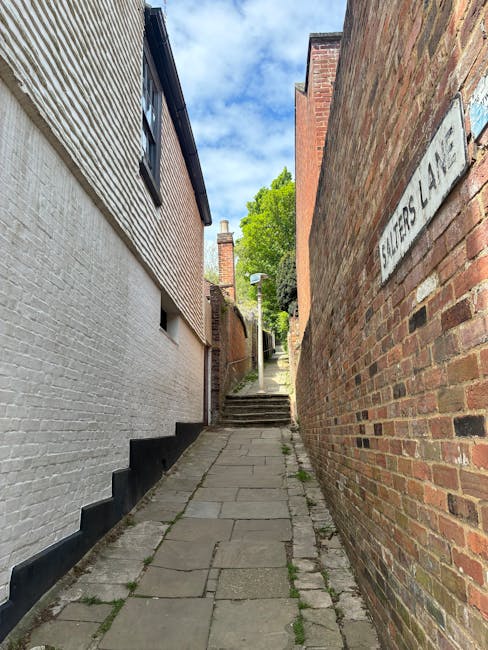
Moving house is never just about boxes and a van. In Biggin Hill, it can also mean tight corners, parked cars, narrow lanes, awkward turns and the kind of small-street access that makes a simple move feel strangely complicated. That is where narrow-lane moves in Biggin Hill: expert small-street teams really earn their keep. The right crew knows how to plan around limited access, protect property, keep things moving safely, and avoid the frustrating delays that often happen when a vehicle is too large or the approach is not thought through properly.
If you are moving from a terrace, a cottage lane, a compact flat road, or anywhere with restricted access, this guide will walk you through the practical side of it all. We will look at how these moves work, what makes them different, which mistakes to avoid, and how experienced movers keep everything calm when the street itself is doing its best to make life difficult. Let's face it, sometimes the road is the problem, not the belongings.
Why Narrow-lane moves in Biggin Hill: expert small-street teams Matters
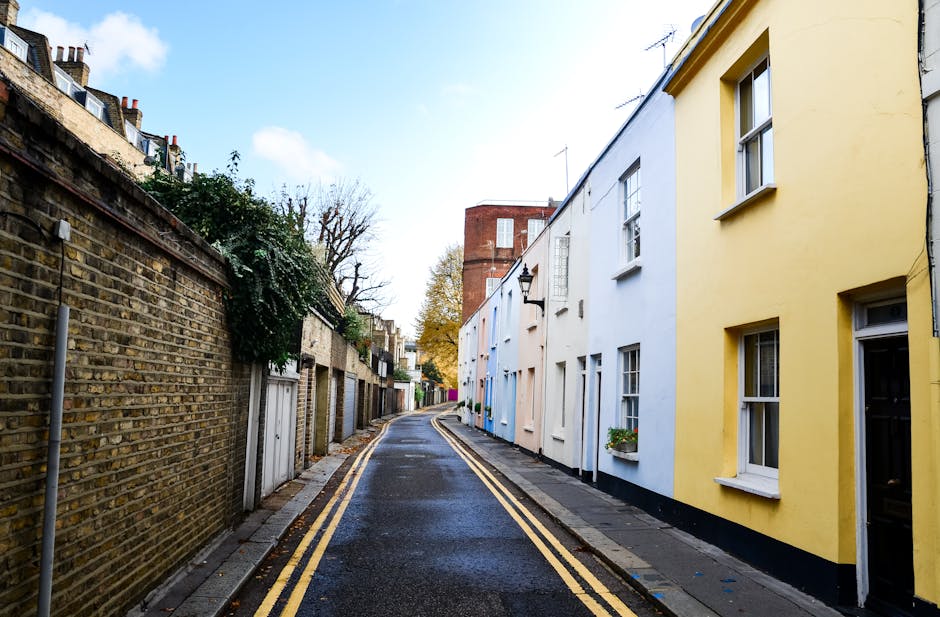
Biggin Hill has a mix of property types and road layouts, and that is exactly why narrow-access moving needs proper local know-how. A small lane can look manageable on paper, then turn into a slow, fiddly job once a removal van is in place and there is nowhere sensible to stop. In practical terms, the issue is not just width. It is also turning space, gradient, surface condition, on-street parking, and whether the property entrance sits at a bad angle for lifting larger furniture.
That matters because poor access planning can cause knock-on problems. The crew may end up walking items further than expected, double-handling furniture, or pausing while someone moves a car. None of that is ideal when you are trying to keep fragile items safe and keep your move on schedule. A well-run local team reduces those risks by thinking ahead instead of improvising when they arrive at the kerb.
In our experience, the difference is immediately obvious. One team arrives, looks at the street, measures the run from vehicle to doorway, checks the turning point, and starts unloading with a plan. Another team just turns up and hopes for the best. You can probably guess which one ends up losing time, patience, and sometimes a lamp shade or two.
If you are trying to understand the wider moving picture too, it can help to read about a relaxed approach to stress-free house moving and packing that actually makes moving day easier. Narrow lanes are one part of the story, but good preparation always makes the whole job more manageable.
How Narrow-lane moves in Biggin Hill: expert small-street teams Works
A successful narrow-lane move is built on assessment, sequencing, and the right equipment. The process usually starts before moving day. A careful team will ask about the property type, road width, steps, parking, long carries, and whether there are any access pinch points such as bends, slopes or low branches. Sometimes a quick photo or video from the customer is enough to spot the tricky bits in advance.
Then comes route planning. That does not sound glamorous, but it is the part that saves time and stress. The team decides where the van can safely wait, how they will protect floors and door frames, and whether it makes sense to use a smaller vehicle, shuttle loads, or split the move into stages. For some homes, a large removal van is still fine; for others, a smaller removal van or man and van setup is the more sensible choice because the street simply will not forgive anything bulky.
On the day itself, the work is usually organised around short carry routes and controlled loading. Furniture is wrapped where needed, boxes are stacked with care, and awkward items are moved in the order that reduces bottlenecks. If there is a piano, a sofa, or a bed frame to shift, the team may apply different handling methods entirely. That is one reason specialist services matter; what works for a box of books is not what you want for a grand piano or a chunky wardrobe.
Good communication matters throughout. A quick update about parking, a change in access, or a neighbour's car blocking the lane can save half an hour of head-scratching. That kind of practical flexibility is what separates expert small-street teams from ordinary crews.
Key Benefits and Practical Advantages
The obvious benefit is that your move gets done without unnecessary drama. But there are several more subtle advantages too.
- Less risk of damage: Short, planned carrying routes reduce the chances of scuffs, bumps and dropped items.
- Better time control: A team that understands narrow lanes can plan parking and loading properly, rather than wasting time reshuffling vehicles.
- Lower stress: You are not left trying to solve access problems while also managing keys, utilities and last-minute paperwork.
- Safer handling: Heavy furniture and awkward items are moved with more control, which helps protect both the property and the people lifting.
- Fewer surprises: A local team that knows Biggin Hill's streets will often spot issues before they become a problem.
There is also a confidence factor. When you know the movers have already thought about access, vehicle size and loading order, you can focus on the parts only you can handle. Things like checking cupboards, keeping children and pets safe, and making sure the kettle is easy to find when you reach the new place. Small win, but a real one.
For bulky furniture, a dedicated service can be especially useful. If you are moving a sofa, a wardrobe or other awkward items, see furniture removals in Biggin Hill and the practical guidance in bulk item removals for sofas, beds and white goods. Those jobs are where narrow-lane planning really pays off.
Who This Is For and When It Makes Sense
This kind of move is not just for people on tiny roads. It makes sense any time access is restricted or unpredictable. That can include narrow residential streets, village lanes, roads with heavy parking, properties tucked away behind other homes, or addresses where the van cannot park directly outside the door.
It is especially relevant if you are:
- moving from a terraced house with limited kerb space
- leaving or entering a flat with a long carry from the street
- handling heavy or fragile furniture
- moving at short notice and need a team that can adapt quickly
- dealing with parking pressure, neighbours' vehicles or timing restrictions
- trying to avoid unnecessary strain on your back, shoulders or knees
Students often assume a narrow-street move will be simple because the load is small. Sometimes that is true. Sometimes not. A stack of boxes is easy until the stairs, the rain, or a terrible parking spot enters the chat. If that sounds familiar, student removals in Biggin Hill can be a sensible fit for compact, budget-conscious moves that still need proper handling.
Families and homeowners may need a broader setup, especially where the move involves multiple rooms, white goods, or furniture that cannot be carried by one person without risk. For those situations, a wider house removals Biggin Hill approach is usually the better call.
Step-by-Step Guidance
Here is the practical sequence most expert small-street teams follow. It is not flashy, but it works.
- Assess the access first. Check lane width, bends, parking, steps, gates and any obstacles. Photos help, but a site visit can be useful for awkward properties.
- Choose the right vehicle. Bigger is not always better. In tight streets, a slightly smaller van can be the difference between smooth access and a blocked road.
- Plan the loading order. Heavy and bulky items go first or are positioned so they can come out without trapping lighter boxes behind them.
- Protect the property. Door frames, corners and flooring should be guarded where necessary, especially if the carry path is narrow.
- Keep a clear path. Hallways and thresholds should be free of clutter before the movers arrive. It sounds obvious. It often isn't.
- Work in short, controlled carries. This reduces fatigue and lowers the chance of knocking furniture against walls or railings.
- Adapt on the day. If a neighbour blocks access or a parked car changes the plan, the crew should switch tactics quickly rather than forcing the issue.
- Check the property at the end. Do a final look for missing items, floor marks, door damage and anything left in cupboards, loft spaces or under beds.
If you are preparing the home beforehand, a little decluttering goes a long way. Clearing out the items you do not want to move makes narrow access less of a headache. You can get useful ideas from the decluttering journey before a move, especially if the current house is full to the rafters.
And if you are unsure about dealing with heavier pieces on your own beforehand, it is worth reading solo heavy lifting tips and techniques. Sometimes the safest move is simply not to lift it solo. No shame in that, honestly.
Expert Tips for Better Results
Small-street moves tend to reward the teams who sweat the details. Here are a few field-tested tips that make a real difference.
- Share access details early. Tell the movers about low walls, tight turns, steep sections, and where parking normally works best.
- Photograph problem areas. A quick image of the lane, front door and nearest junction can be more useful than a long description.
- Prepare the loading point. If the van cannot get close, make sure the carry route is clear and dry where possible.
- Label awkward items clearly. Mark fragile, heavy, or top-load-only boxes so they are handled properly.
- Keep essentials separate. Put kettle, chargers, medications, documents and one change of clothes somewhere easy to reach.
- Book timing with traffic in mind. Even a calm street can become awkward at school run time or when neighbours are returning home.
- Protect mattresses and upholstery properly. Items like beds and sofas are easy to mark when they are squeezed through a narrow gap.
A small but useful trick: leave a little extra time for the final handover. Keys, meters, doors, and one last look under the stairs always take longer than people think. Moving day has a way of stretching the clock just when you thought you were nearly done.
If you are moving speciality items, it is worth checking the specialist services available. For example, pianos need different handling, proper lifting, and often more deliberate route planning than standard household goods. That is where piano removals in Biggin Hill becomes the sensible choice.
Common Mistakes to Avoid
The biggest mistakes are usually very ordinary ones. That is the annoying part.
- Assuming the van can park anywhere. A narrow lane can make a "quick stop" impossible.
- Booking too large a vehicle. If the road is tight, oversized transport can create more problems than it solves.
- Leaving parking arrangements until the morning of the move. By then, you are already on the back foot.
- Not telling the team about awkward access. A few metres of extra carry is not a tiny detail when you are moving a wardrobe.
- Trying to move too much at once. Overloading trolleys and carrying too many loose items slows everything down.
- Forgetting about weather. Rain, frost and slippery paths matter more on small streets where there is less room to manoeuvre.
Another common one is underestimating how tired everyone gets by mid-afternoon. By 3 p.m., even the best-laid plan can feel a bit wobbly if the move has been physically demanding. That is why planning the order of furniture, boxes and breakables matters so much.
It also helps to avoid packing chaos at the source. If boxes are weak, overfilled or badly labelled, narrow access makes the problem worse. A tidy packing system, paired with packing and boxes in Biggin Hill, can save you from a great deal of unnecessary faff.
Tools, Resources and Recommendations
A good narrow-lane move is part planning, part equipment, and part common sense. The exact tools will vary, but the following are often useful:
- furniture blankets and wrapping materials
- webbing straps and lifting aids
- trolleys or dollies suited to the floor surface
- protective floor covers for hallways and thresholds
- labelled boxes and clear marker pens
- mattress covers and sofa protection
- ratchet straps for secure van loading
It is also worth considering storage if the access issue is linked to timing. For example, if one property is not ready, or if the new home cannot receive everything in one go, short-term storage can reduce pressure. That is where storage options in Biggin Hill may be useful as part of a staged move.
On the preparation side, a practical household checklist helps more than people expect. Think of it less as admin and more as a way of removing friction from moving day. That includes a plan for frozen food, furniture, bedroom items and anything you are not taking straight away. If you are moving a freezer, for instance, proper handling and storage can stop avoidable mess; see how to keep your freezer in top shape with proper storage.
Law, Compliance, Standards, or Best Practice
For narrow-lane moves, compliance is usually less about one single rule and more about doing the job responsibly. In the UK, moving teams are expected to work safely, respect property, and avoid obstructing the highway unnecessarily. If parking or access is a concern, it is sensible to plan carefully rather than assume a van can simply stay wherever it likes for as long as it likes. In many cases, local parking rules and practical road etiquette matter just as much as the move itself.
Best practice also includes safe manual handling. That means lifting in a controlled way, using team lifts where appropriate, and not trying to force oversized items through a route that is too tight. If a piece of furniture needs a different method, the team should adapt. Straightforward, really.
Insurance and safety should not be afterthoughts either. A professional moving team ought to have a clear approach to protecting goods and reducing risk during loading, transit and unloading. If you want to understand the basics more fully, insurance and safety is a helpful place to start.
There is also a wider conduct side to think about: respecting neighbours, avoiding unnecessary noise, and not blocking access longer than needed. That is not just good manners. In a tight street, it can be the difference between a smooth morning and several irritated people peering out of their windows.
Options, Methods, or Comparison Table
Different narrow-street jobs need different approaches. Here is a simple comparison to help you think clearly about the main options.
| Method | Best for | Strengths | Trade-offs |
|---|---|---|---|
| Large removal van | Streets with enough width and turning room | Efficient for bigger loads, fewer trips | Can struggle in tight lanes or limited parking |
| Smaller removal van | Narrow streets, awkward entrances, residential lanes | Easier to position, simpler access, less road obstruction | May need more careful load planning |
| Man and van setup | Smaller moves, flats, student moves, mixed access problems | Flexible, practical, often quick to adapt | Not always ideal for larger household moves |
| Staged move with storage | Delays, renovation gaps, access restrictions, timing overlap | Reduces pressure and keeps items secure | Requires extra coordination |
There is no one-size-fits-all answer here. A good mover will match the method to the street, not the other way around. That sounds obvious, but you would be surprised how often people try to squeeze a big-plan solution into a very small road.
For a broader view of available move types and how they fit together, it can help to look at the services overview alongside the dedicated pages for man with a van in Biggin Hill and removal services in Biggin Hill.
Case Study or Real-World Example
A typical example is a move from a compact house on a narrow residential lane where parking is tight on both sides. The property itself is not huge, but the street layout makes everything slower. A standard large van would have struggled to turn cleanly, so the team used a smaller vehicle and planned the load in a way that kept the heaviest items close to the door at the end of the carry route.
Before the move, the customer cleared the hallway, labelled fragile boxes, and separated the items needed on the first night. The movers checked the access, protected the main door frame, and carried furniture in a steady rhythm rather than rushing. One neighbour briefly moved a car, which could have caused delay, but because the team had already built in a little flexibility, it did not become a problem.
The move was not dramatic. That is the point. No one remembers a move because it looked effortless, but everyone remembers the one that went sideways. The customer ended the day with fewer damaged items, less stress, and a move that stayed on track despite the narrow lane doing its best to be awkward.
If that sounds like the sort of job you are facing, the pricing side is worth reviewing early. Transparent planning helps you avoid surprises, especially when access is restricted. A sensible next read is transparent moving quotes in Biggin Hill and avoiding hidden fees, which ties neatly into planning your budget without guesswork.
Practical Checklist
Use this as a quick pre-move check if your street is narrow or awkward.
- Confirm the exact pickup and drop-off access points
- Measure any especially tight entrances, gates or turns
- Share photos of the road and frontage with the moving team
- Check parking options for both addresses
- Keep hallways, stairs and doorways clear
- Label fragile, heavy and essential items clearly
- Protect mattresses, sofas and wooden furniture
- Separate overnight essentials before moving day
- Plan for weather, traffic and neighbour parking
- Tell the movers about anything unusual, even if it seems minor
- Have keys, paperwork and payment details ready
- Do a final sweep of cupboards, loft spaces and sheds
Quick takeaway: the more your team knows before arrival, the less the narrow lane gets to control the day. Simple, but true.
Conclusion
Narrow-lane moves in Biggin Hill are less about brute force and more about smart decisions. When a street is tight, a team with local experience, careful lifting habits and a proper access plan can make the difference between a stressful slog and a calm, well-run day. That is especially true where furniture is bulky, parking is limited, or the route between van and front door is not straightforward.
Good planning does not remove every complication, of course. But it gives you room to deal with the unexpected without losing control of the move. And that matters a lot when you are already juggling keys, timings, fragile items and all the bits of life that somehow travel in the last box. One step at a time. That is usually how the best moves happen.
Get a free quote today and see how much you can save.